What "energy efficient" means at this elevation
Santa Fe is a heating climate. The building code puts it in climate zone 5B, cold and dry, and the furnace runs far more hours than the air conditioner. That puts the U-factor first. U-factor measures how fast heat moves through the window; lower is better. ENERGY STAR's Northern zone, which covers Santa Fe, calls for a U-factor around 0.22 or lower on most qualifying units.
Santa Fe is also one of the sunniest cities in the country, so solar heat gain matters in both directions. Solar heat gain coefficient (SHGC) measures how much of the sun's heat comes through the glass. On a south-facing window, a higher SHGC means free heat on winter afternoons. On a west window, a lower SHGC keeps summer rooms from overheating. We pick glass per side of the house, not one package for everything.
The parts of a high-performance window
- Low-E coating: invisible metallic layers that reflect long-wave heat back toward its source. Different coatings let different amounts of solar heat through.
- Gas fill: argon between panes slows heat transfer compared with air. Krypton is used in some triple-pane units with narrow gaps.
- Warm-edge spacer: the strip that separates the panes. A non-metal or hybrid spacer keeps the glass edge warmer and reduces condensation at the bottom of the window.
- Frame: vinyl, fiberglass and wood all insulate far better than old non-thermally-broken aluminum.
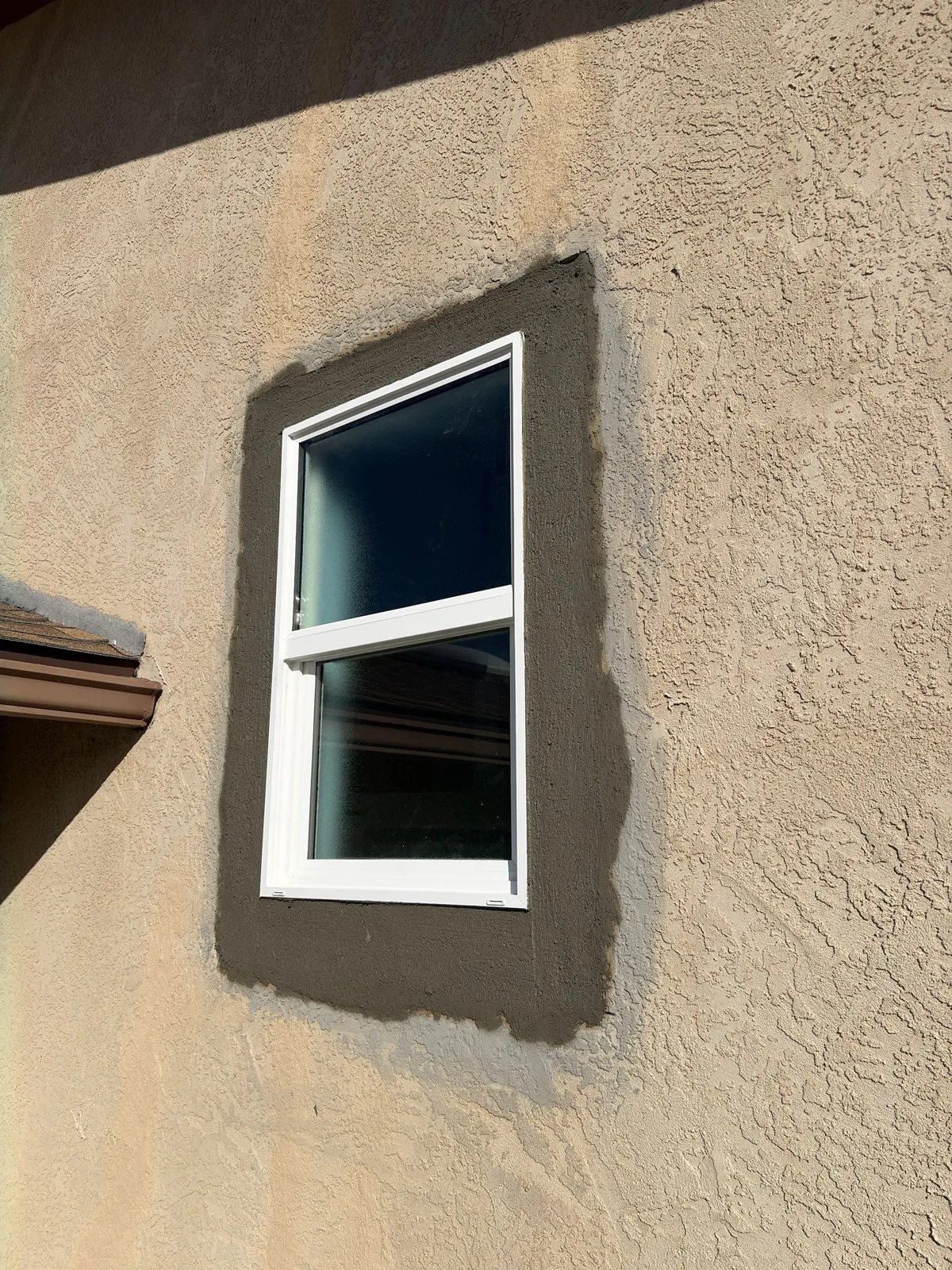
- Installation: a great window installed with gaps around it is a mediocre window. Low-expansion foam and a continuous air seal around the frame are part of the energy package.
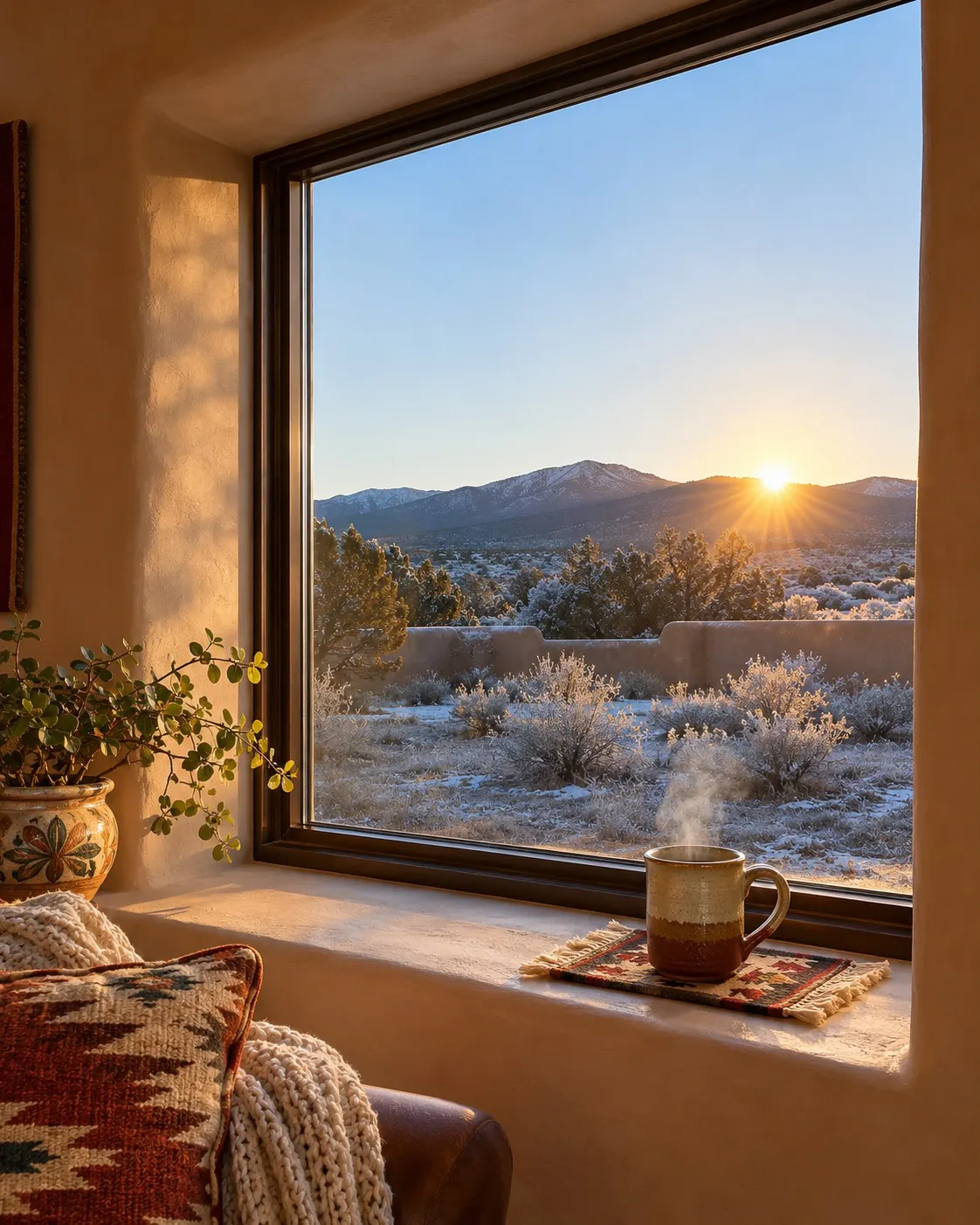
Altitude-built glass
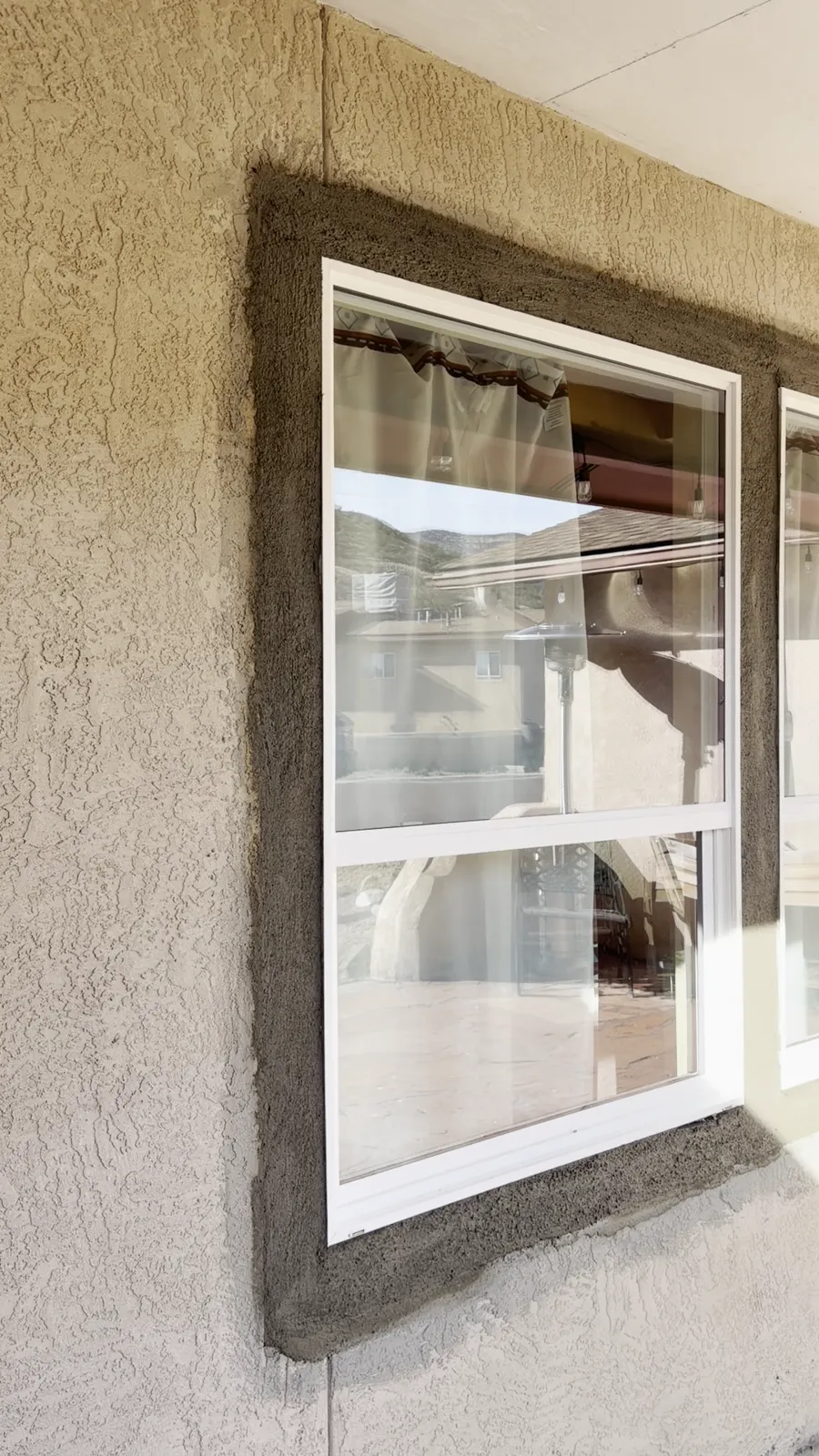
Sealed glass units made at low elevation and installed at Santa Fe's altitude can bow from the pressure difference, which stresses the edge seal over time. A failed seal lets the gas escape and moisture in, and the window fogs. We specify glass built or vented for the install elevation on every order. It's a detail that protects the energy performance you're paying for.
Double or triple pane?
Good double-pane Low-E glass is the right answer for most windows in most Santa Fe homes. Triple pane earns its cost in a few places: north-facing rooms that never get direct sun, bedrooms where you feel the cold near the glass, homes in Los Alamos or at higher elevations, and homes near busy roads, where the extra pane also helps with noise. Triple-pane units are heavier, so sash size and operating style matter. We'll recommend it opening by opening rather than across the board.
Rebates and tax credits right now
Incentives change, so treat this as a starting point and check current terms:
- PNM customers have had access to a residential rebate for qualifying ENERGY STAR windows. Eligibility, amounts and deadlines are set by PNM's program. Check the current offering before you sign, and keep your invoice and the window labels.
- Los Alamos County homes are served by the county's own utility, not PNM, so PNM programs don't apply there. Ask the county utility about any current efficiency incentives.
- Federal tax credit: the federal energy-efficient home improvement credit that covered windows (25C) ended for property placed in service after 2025. Windows installed in 2026 don't qualify for it.
We'll give you the product labels and the paperwork any rebate application asks for. We don't promise a specific rebate amount, since the utility decides eligibility.
Questions we hear about this
What U-factor should I look for in Santa Fe?
For Santa Fe's ENERGY STAR Northern zone, look for a U-factor around 0.22 or lower. The number is printed on the NFRC label on every rated window, and we show it for each product we quote.
Should every window have the same glass?
Not necessarily. South-facing glass can benefit from a higher solar heat gain coating that brings in winter sun, while west-facing glass often does better with a lower one. We tailor glass by orientation when it makes a real difference.
Do new windows qualify for a federal tax credit in 2026?
No. The federal 25C credit for energy-efficient windows ended for property placed in service after December 31, 2025. Utility rebates may still be available depending on your provider.
Why do some of my current windows look foggy between the panes?
That means the seal between the panes has failed and moisture has gotten in. The glass unit has lost its insulating gas and can't be cleaned from either side. It's one of the most common reasons homeowners here call us.